
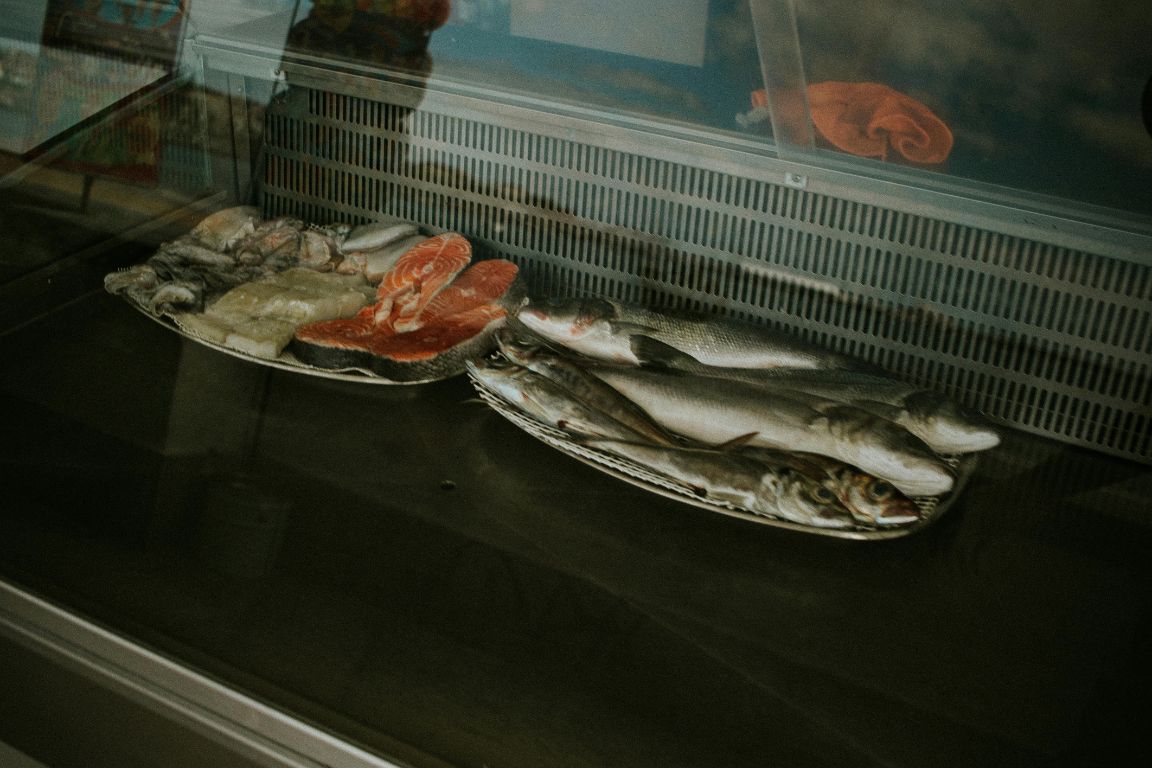
Raw salmon generally lasts 1–2 days in the refrigerator, while cooked salmon lasts 3–4 days. Keep it refrigerated at 40°F or below and store it promptly after buying or cooking.
Smoked, thawed, and commercially packaged salmon can have different storage rules, so package instructions and the salmon’s previous handling matter too.
Quick answer: Use raw salmon within 1–2 days of purchase or thawing. Use cooked salmon within 3–4 days. If you will not use raw salmon within that window, freeze it while it is still safely within its refrigerated storage period. Do not rely on smell or appearance alone to decide whether salmon is safe.
Salmon Storage Times at a Glance
| Type of Salmon | Refrigerator | Freezer |
|---|---|---|
| Raw fresh salmon | 1–2 days | About 3–8 months for best quality |
| Cooked salmon | 3–4 days | Up to about 3 months for best quality |
| Salmon thawed in refrigerator | Cook within 1–2 days | May be refrozen if thawed safely in refrigerator, though quality may decline |
| Hot-smoked salmon | Follow package directions; once opened, use promptly | Follow package instructions |
| Cold-smoked salmon | Follow package use-by and after-opening directions | Follow package instructions |
| Unopened commercially packaged salmon | Follow package storage and use-by instructions | Follow package instructions |
These storage periods assume the refrigerator is maintained at 40°F or below. FDA recommends keeping the freezer at 0°F.
How Long Does Raw Salmon Last in the Fridge?
Raw salmon should generally be cooked or frozen within 1–2 days of purchase.
FDA similarly recommends refrigerating seafood at 40°F or below and using it within two days after purchase. If you will not cook it within that period, freeze it instead.
The clock does not restart because the salmon still looks fresh on day three. Time and temperature are more reliable safety controls than appearance.
How Long Does Cooked Salmon Last?
Cooked salmon can generally be refrigerated for 3–4 days.
Cool it promptly after cooking and store it in a clean covered container. Do not leave cooked salmon at room temperature for more than two hours, or more than one hour when the surrounding temperature is above 90°F.
If you know you will not eat the leftovers within three or four days, freezing them earlier is preferable to waiting until the end of the storage window.
How Long Does Thawed Salmon Last in the Fridge?
Salmon thawed safely in the refrigerator should generally be cooked within 1–2 days.
This is the same short refrigerated window used for other raw fish. Thawing does not give the salmon a fresh new week of refrigerator life.
If salmon was thawed using cold water or a microwave, cook it immediately rather than returning it to the refrigerator raw for later use.
For detailed thawing methods, see our guide to thawing frozen salmon safely.
How Long Does Smoked Salmon Last?
Smoked salmon is more variable because products differ in processing, packaging, salt content, and whether they are hot-smoked or cold-smoked.
For commercially packaged smoked salmon:
- Follow the package use-by date while unopened.
- Keep refrigerated when the label requires refrigeration.
- After opening, follow the manufacturer’s stated storage period.
- Do not assume smoking makes salmon shelf-stable.
Cold-smoked salmon is still a refrigerated ready-to-eat food and can carry foodborne pathogens. People at higher risk of foodborne illness should follow current FDA advice for smoked seafood products.
How Should Raw Salmon Be Stored?
Proper storage helps prevent cross-contamination and keeps the salmon within a safe temperature range.
- Refrigerate it as soon as possible after purchase.
- Keep the refrigerator at 40°F or below.
- Leave unopened salmon in intact original packaging when appropriate.
- Once opened, place it in a clean covered container or wrap it securely.
- Store it so raw juices cannot drip onto ready-to-eat foods.
- Keep it away from foods that will not be cooked before eating.
- Use or freeze it within 1–2 days.
The bottom shelf can be convenient for raw seafood because it reduces the chance that leaks will fall onto food below, but the packaging or container should still be leak-resistant.
Should Salmon Be Stored on Ice in the Refrigerator?
FDA recommends keeping seafood refrigerated or on ice after purchase. At home, a properly operating refrigerator at 40°F or below is sufficient for ordinary short-term storage.
If using ice, keep the salmon protected from meltwater and prevent raw juices from contaminating other foods. The ice does not extend the safe refrigerator period beyond the normal 1–2 day recommendation.
How Can You Tell If Salmon Has Spoiled?
Spoiled seafood may develop obvious changes, but the absence of those changes does not prove that it is safe.
FDA says fresh fish should smell mild rather than fishy, sour, rancid, or ammonia-like. Discard salmon when you notice:
- A sour, rancid, sharply fishy, or ammonia-like odor
- Visible mold
- Abnormal slime or severe texture deterioration
- Unusual discoloration combined with other spoilage signs
- Leaking or damaged packaging
- An unexplained swollen package
However, foodborne pathogens do not necessarily create an odor or visible change. Salmon that has exceeded safe storage conditions should be discarded even if it appears normal.
Do Not Use the Smell Test to Extend the Storage Window
Smell is useful for detecting obvious spoilage, but it should not be used to justify eating raw salmon that has already exceeded the recommended refrigerated storage period.
For example, raw salmon that has been refrigerated for three days is beyond the USDA 1–2 day recommendation. A normal smell does not reset that timeline.
When the time or temperature history is uncertain, discard the salmon.
What If Salmon Was Left Out?
Seafood should not sit at room temperature for more than two hours. When the temperature is above 90°F, the limit is one hour.
Discard salmon left out longer than those limits rather than putting it back in the refrigerator.
This applies to:
- Raw salmon
- Cooked salmon
- Takeout salmon dishes
- Salmon at buffets or parties
- Seafood left in a warm car
Can You Freeze Salmon Before It Goes Bad?
Yes. If you know you will not cook raw salmon within 1–2 days, freeze it while it is still safely within that storage period.
Do not wait until the salmon has exceeded the refrigerated limit and then freeze it as a way to make it safe again. Freezing pauses microbial growth; it does not reverse previous unsafe storage.
For freezing methods, packaging, refreezing, and quality guidance, see our separate guide to freezing salmon.
How Long Is Frozen Salmon Good?
USDA lists frozen raw fish at roughly 3–8 months for best quality and cooked fish at about 3 months.
Food kept continuously frozen at 0°F remains safe indefinitely from a microbial standpoint, but quality gradually declines. Flavor, texture, moisture, and appearance can deteriorate over time.
This is an important distinction:
- Safety: continuous freezing greatly limits microbial growth.
- Quality: freezer burn, oxidation, moisture loss, and texture changes increase over time.
The detailed freezing article should remain the main resource for freezer storage so this page stays focused on refrigerator shelf life.
Can You Refreeze Salmon?
Raw salmon thawed safely in the refrigerator can generally be refrozen without cooking, although a second freeze-thaw cycle may reduce quality.
Salmon thawed in cold water or a microwave should be cooked before refreezing.
Never refreeze salmon that has spent too long at room temperature or has an uncertain temperature history.
How Long Does Salmon Last After Cooking?
Cooked salmon leftovers generally remain suitable for refrigerated storage for 3–4 days.
A simple planning example:
| If Cooked On | Use By |
|---|---|
| Monday | Thursday or Friday |
| Tuesday | Friday or Saturday |
| Wednesday | Saturday or Sunday |
| Thursday | Sunday or Monday |
This assumes the salmon was refrigerated promptly and continuously kept at 40°F or below.
How to Store Cooked Salmon
- Refrigerate it within two hours of cooking.
- Use a clean covered container.
- Label the cooking date.
- Keep it separate from raw seafood.
- Use clean utensils when serving leftovers.
- Return unused portions to the refrigerator promptly.
- Freeze portions you will not eat within 3–4 days.
What About Salmon Sushi or Sashimi?
Raw or undercooked seafood carries a higher foodborne-illness risk than thoroughly cooked seafood.
Prepared sushi also contains other ingredients—such as rice, vegetables, sauces, and seafood—whose handling history affects storage. Follow the restaurant or package instructions and use prepared raw-seafood dishes promptly rather than assuming the full raw-salmon storage window applies.
FDA advises people at higher risk of foodborne illness to avoid raw or undercooked seafood.
Salmon Storage Mistakes to Avoid
- Keeping raw salmon for three or four days because it still smells okay. Raw fish has a shorter refrigerator window.
- Leaving salmon in a warm car after shopping. Refrigerate it promptly.
- Allowing raw salmon juices to drip onto other food. Use secure packaging or a leak-resistant container.
- Thawing salmon on the counter. Use the refrigerator, cold water, or microwave methods instead.
- Freezing salmon after it has already exceeded safe refrigerator storage. Freezing does not undo prior time-temperature abuse.
- Using color alone as a freshness test. Color can vary naturally and can also be affected by processing.
Where Should Salmon Go in the Refrigerator?
Store raw salmon in a cold section of the main refrigerator compartment where its packaging cannot leak onto other food.
A lower shelf is often practical for raw seafood because any accidental leak is less likely to drip onto ready-to-eat products. Still, use a tray or leak-resistant container instead of relying solely on shelf position.
For broader storage-zone guidance, see our refrigerator organization guide.
Salmon Shelf-Life Decision Guide
| Situation | Recommended Action |
|---|---|
| Raw salmon, day 1 | Cook or keep refrigerated |
| Raw salmon, day 2 | Cook today or freeze while still safely stored |
| Raw salmon, day 3 | Beyond the standard USDA refrigerated window; discard |
| Cooked salmon, day 1–3 | Keep refrigerated and use normally |
| Cooked salmon, day 4 | Use promptly |
| Cooked salmon beyond day 4 | Discard rather than relying on smell or appearance |
| Salmon left out more than 2 hours | Discard |
| Salmon left out more than 1 hour above 90°F | Discard |
| Time or temperature history unknown | Discard when safety cannot be established |
For broader refrigerator timelines, use our food refrigerator storage guide.
Frequently Asked Questions
Can raw salmon last 3 days in the fridge?
USDA recommends keeping raw fish refrigerated for only 1–2 days before cooking or freezing. Day three is beyond that standard storage recommendation.
Can cooked salmon last 5 days?
Five days exceeds the normal 3–4 day refrigerated recommendation for cooked seafood. The safer choice is to discard it.
How long does salmon last after thawing?
When thawed in the refrigerator, raw salmon should generally be cooked within 1–2 days. Salmon thawed in cold water or a microwave should be cooked immediately.
How long is frozen salmon good for?
USDA gives roughly 3–8 months as a best-quality range for frozen raw fish. Continuously frozen fish remains safe longer, but quality gradually declines.
Can you freeze salmon after two days in the fridge?
If it has remained properly refrigerated and is still within the 1–2 day raw-fish storage period, freeze it promptly rather than extending refrigerator storage further.
What does bad salmon smell like?
FDA says spoiled seafood may develop sour, rancid, fishy, or ammonia-like odors. However, a normal smell does not prove salmon is safe, so storage time and temperature still matter.
Should raw salmon be washed before cooking?
Rinsing raw seafood is generally unnecessary and can spread contaminated droplets around the sink and nearby surfaces. Handle the salmon carefully and cook it appropriately instead.
Final Takeaway
Raw salmon generally lasts 1–2 days in the refrigerator, while cooked salmon lasts 3–4 days.
Keep the refrigerator at 40°F or below, refrigerate seafood promptly, prevent raw juices from contaminating other foods, and freeze salmon before—not after—it exceeds the recommended refrigerator period.
Use smell and appearance to identify obvious spoilage, but never use them to override safe time and temperature limits.

 How Long Is Pizza Good for in the Fridge?
Leave a Reply