
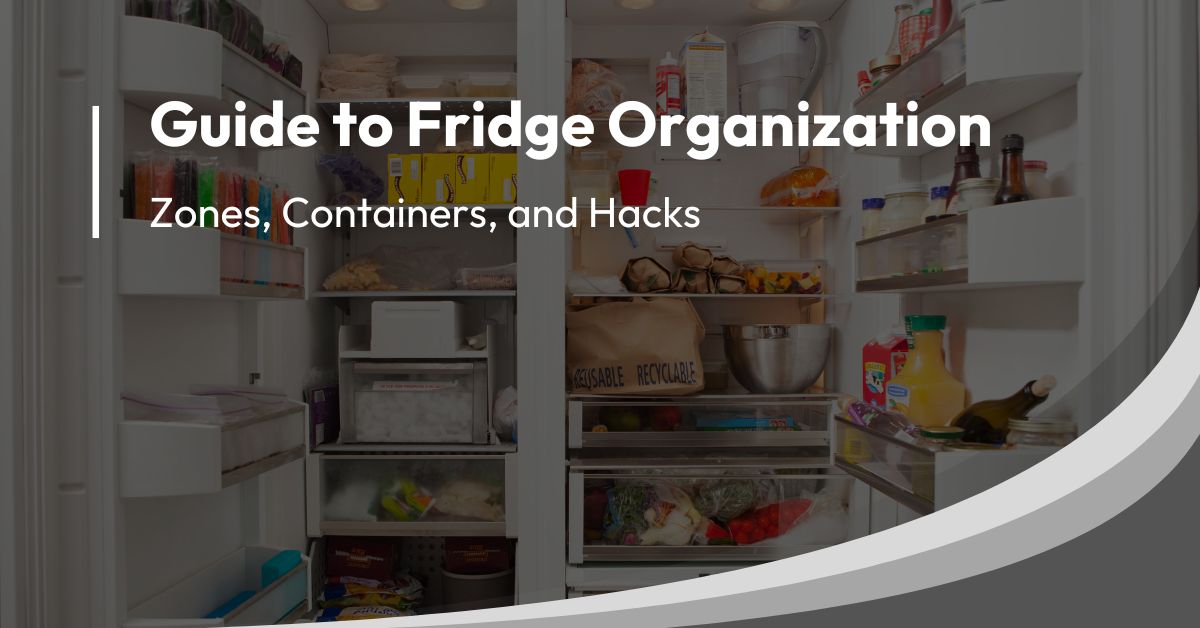
A well-organized refrigerator isn’t just pleasing to the eye—it can help reduce food waste, save money, and make meal prep a breeze. In this comprehensive guide, we’ll explore the best practices for fridge organization, including optimal food placement, clever container solutions, and game-changing hacks that will transform your refrigerator into a model of efficiency.
Understanding Fridge Zones
The key to effective fridge organization is understanding that different areas of your refrigerator have different temperature zones. Here’s a breakdown of the typical zones in a standard top-freezer or bottom-freezer refrigerator:
- Upper Shelves: 38-40°F (3-4°C)
- Best for: Ready-to-eat foods, leftovers, drinks
- Lower Shelves: 35-38°F (1-3°C)
- Best for: Raw ingredients, dairy products
- Crisper Drawers: 32-35°F (0-1°C)
- Best for: Fruits and vegetables
- Door: 40-42°F (4-5°C)
- Best for: Condiments, juices
- Meat Drawer (if available): 32-34°F (0-1°C)
- Best for: Fresh meat, fish
Optimal Food Placement
Now that we understand the zones, let’s look at where specific items should go:
- Upper Shelves:
- Leftovers
- Ready-to-eat foods
- Drinks
- Snacks
- Lower Shelves:
- Milk and dairy products
- Eggs
- Raw ingredients for cooking
- Crisper Drawers:
- Vegetables (in high-humidity drawer)
- Fruits (in low-humidity drawer)
- Door:
- Condiments
- Juices
- Butter
- Soft cheeses
- Meat Drawer:
- Raw meat
- Fish
- Deli meats
Container Solutions for Better Organization
Using the right containers can dramatically improve your fridge organization:
- Clear Stackable Containers: Great for leftovers and prepped ingredients. They save space and allow you to see what’s inside easily.
- Produce Saver Containers: These specialty containers can help extend the life of your fruits and vegetables.
- Egg Containers: If your fridge doesn’t have built-in egg storage, a dedicated egg container can keep them safe and easily accessible.
- Lazy Susans: Perfect for condiments and small jars, making items in the back easily reachable.
- Bins or Baskets: Use these to group similar items together, like all your cheeses or yogurts.
- Water Pitchers with Built-in Filters: These save space and ensure you always have cold, filtered water on hand.
Game-Changing Fridge Organization Hacks
- Use a Labeling System: Label containers with contents and date to track freshness.
- Implement the “FIFO” Method: First In, First Out. Place newer items behind older ones to ensure you use things before they expire.
- Create an “Eat Me First” Box: Designate a container for items that need to be consumed soon to reduce waste.
- Use Shelf Liners: These make cleaning easier and can help contain spills.
- Repurpose Magazine Holders: These can be used to store packets, pouches, or even small fruits and vegetables.
- Use Binder Clips: Clip bags of cheese or vegetables to refrigerator shelves to maximize space.
- Create Zones with Tape: Use colorful washi tape to designate areas for different food groups.
Maintaining Your Organized Fridge
- Weekly Cleanout: Before grocery shopping, take stock of what you have and what needs to be used up.
- Regular Deep Clean: Every 3-4 months, remove everything and give your fridge a thorough cleaning.
- Temperature Check: Use a refrigerator thermometer to ensure your fridge maintains the right temperature (35-38°F or 1-3°C).
- Avoid Overpacking: An overly full fridge can block air vents and make it harder for the appliance to maintain the correct temperature.
By implementing these organization strategies, you’ll create a more efficient, visually appealing, and food-waste reducing refrigerator. Remember, the key to maintaining an organized fridge is consistency and regular upkeep. Happy organizing!

 The Guide to Refrigerator Types: Side-by-Side, French Door, and More
[…] your refrigerator is crowded or temperatures vary, our refrigerator organization guide can help you preserve airflow and create safer storage […]